
Summarize this article with AI(click one of the models and ctrl+v)





A sensor in a newly upgraded commercial tower in Central registers unusual humidity levels that could signal a developing leak. Almost simultaneously, a tenant calls describing water stains on the ceiling. The building is equipped with advanced monitoring technology designed to catch such issues early. Yet the response process still involves manual logging, scattered messages across teams, and coordination delays. What should be a seamless, technology-driven resolution feels frustratingly slow in practice.
This kind of experience is familiar to many property managers in Hong Kong. While the city has made impressive investments in smart building technologies over the past decade, the gap between detecting potential problems and actually resolving them efficiently remains one of the most common pain points in daily operations.
The Progress Made — and the Execution Gap That Remains
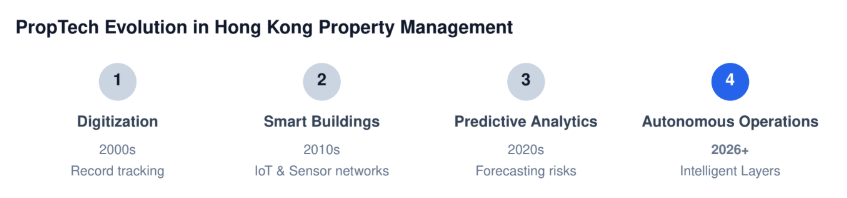
Hong Kong has been proactive in embracing PropTech. From early digitization of records to the widespread deployment of Internet of Things (IoT) sensors and sophisticated Building Management Systems (BMS), the industry has gained unprecedented visibility into building performance. Predictive analytics tools now help forecast equipment failures, energy consumption patterns, and environmental risks. These advancements have enabled a meaningful shift toward preventive maintenance in many estates and commercial properties.
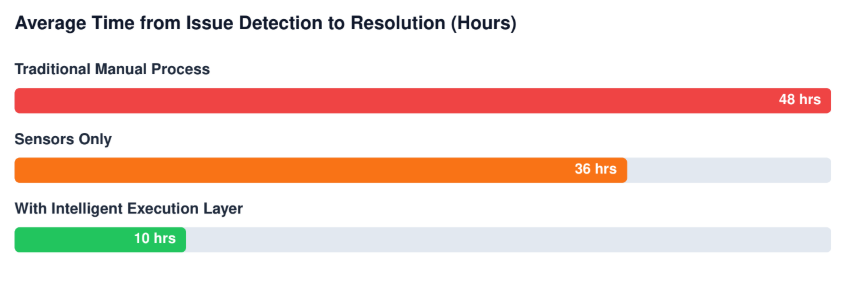
However, detection is only the first step in the journey. Turning an alert or a resident report into a timely, coordinated resolution still relies heavily on human processes. A call comes in — it needs to be interpreted correctly. An alert triggers — someone must assess its real-world urgency in context. Teams need to be notified, contractors coordinated, progress tracked, and residents kept informed. In a dense, high-rise city like Hong Kong, where issues in one unit can quickly affect others and expectations for responsiveness are high, these manual steps introduce friction that can slow everything down.
The result is that even well-equipped buildings sometimes deliver slower-than-expected outcomes. Minor problems linger longer than necessary, resources are not always allocated optimally, and the full return on substantial technology investments takes longer to materialize.
Why Monitoring Technology Alone Falls Short
Advanced sensors and BMS platforms are excellent at collecting data and raising flags, but they have natural limitations when it comes to the full operational cycle. They cannot easily:
- Fully understand the context or emotion behind a resident's description of a problem.
- Accurately weigh urgency when multiple issues compete for attention at the same time.
- Seamlessly coordinate the involvement of internal teams, external contractors, security, and management across different shifts.
- Provide clear, timely, and reassuring updates back to residents.
- Automatically generate complete, consistent records needed for regulatory compliance and performance review.
In practice, these gaps mean that even sophisticated buildings can experience response delays, inconsistent service levels, higher administrative burdens on staff, and occasional compliance challenges. For property teams already managing complex, multi-building portfolios under tight margins and high expectations, this execution gap adds unnecessary pressure to daily work.
How Routiq AI Helps Bridge the Gap
Routiq AI is one of the solutions designed to address this challenge. It works as an intelligent operational layer that connects resident communication, building data, and team actions in a more integrated way.
Key elements include:
- Voice AI handles incoming calls in natural Cantonese, including code-switching and property-related terms, while helping to capture structured details.
- Contextual tools that support better classification and prioritization by drawing on both call context and available sensor data.
- Features that streamline work order creation, assignment, and tracking.
- A unified dashboard that provides clearer visibility across properties and shifts.
- Automatic support for record-keeping and resident updates.
For many teams, the value lies in how it reduces repetitive manual tasks and handoff friction. Staff can spend more time on technical inspections, contractor coordination, preventive work, and direct resident engagement — areas where human judgment and relationships make the biggest difference. It supports rather than replaces the team, aiming to make operations smoother and more consistent.
Traditional Approach vs. With Routiq AI
- Call handling & intake: office-hours-only manual note-taking → 24/7 AI answering with structured data capture.
- Classification: variable human judgment → contextual support for consistency.
- Dispatch & coordination: phone, WhatsApp and email threads → automated routing and notifications.
- Communication: manual follow-ups → automated tenant updates.
- Records: manual logging → automatic compliance-ready logs.
- Tracking: fragmented updates → real-time unified dashboard.
Real-World Benefits Teams Are Seeing
In practice, operators using approaches like this often report noticeable improvements in response times for both sensor-triggered and resident-reported issues. Engineering and contractor resources tend to be used more efficiently, with less time wasted on coordination. Residents experience fewer repeat calls because updates become more consistent and timely. Teams generally feel less burdened by administrative work, which can improve morale and allow more focus on preventive maintenance and long-term planning. Compliance processes also become easier to manage thanks to more complete and accessible records.
Over a longer period, the additional operational data generated can help teams spot recurring patterns, refine maintenance schedules, improve energy efficiency, and make better-informed decisions about asset management.
Looking Toward the Future of Property Operations in Hong Kong
As Hong Kong continues pushing forward with smart city initiatives, greater integration of digital systems, and higher expectations from both residential and commercial tenants, the importance of closing the execution gap will only grow. In the coming years (2026–2030), properties that successfully combine strong monitoring capabilities with smoother, more intelligent operational workflows are likely to stand out in terms of efficiency, tenant satisfaction, sustainability performance, and overall resilience.
Teams that begin exploring and implementing supportive tools now may find themselves better positioned as portfolios expand, labor constraints persist, and regulatory requirements evolve. Solutions like Routiq AI represent one practical way to help bridge current realities with future demands — supporting today's operations while building capability for tomorrow.
Why Consider Tools Like Routiq AI
In a competitive and fast-changing environment, finding ways to reduce operational friction while supporting your existing team can create meaningful improvements. Routiq AI is one example of technology that aims to complement smart building investments and help make daily property management smoother and more reliable. For many operators, it offers a balanced step toward more integrated and efficient operations without overhauling everything at once.
Key Takeaways
- Smart buildings have greatly improved visibility, but turning that visibility into consistent, timely results still requires strong support in execution.
- Reducing manual friction in workflows can benefit residents, staff wellbeing, and overall business performance.
- The industry is gradually evolving toward more seamless integration between monitoring and action.
- Exploring complementary tools today can help prepare operations for the increasing complexity and expectations of the coming years.
Property management has always been about balancing technology, people, and processes. Tools that strengthen this balance in practical ways are worth thoughtful consideration as Hong Kong's built environment continues to advance.
Frequently Asked Questions
Does this kind of system require replacing existing building technology?
No — it is designed to work alongside current sensors and management platforms.
How does it handle buildings with different levels of smart tech?
It focuses on improving call handling and workflow coordination, making it useful even in less digitized properties.
What kind of improvements are typical?
Many teams report better coordination, fewer repeat contacts, and clearer visibility relatively quickly.
How does it support compliance requirements?
It helps by generating more complete and consistent records automatically.