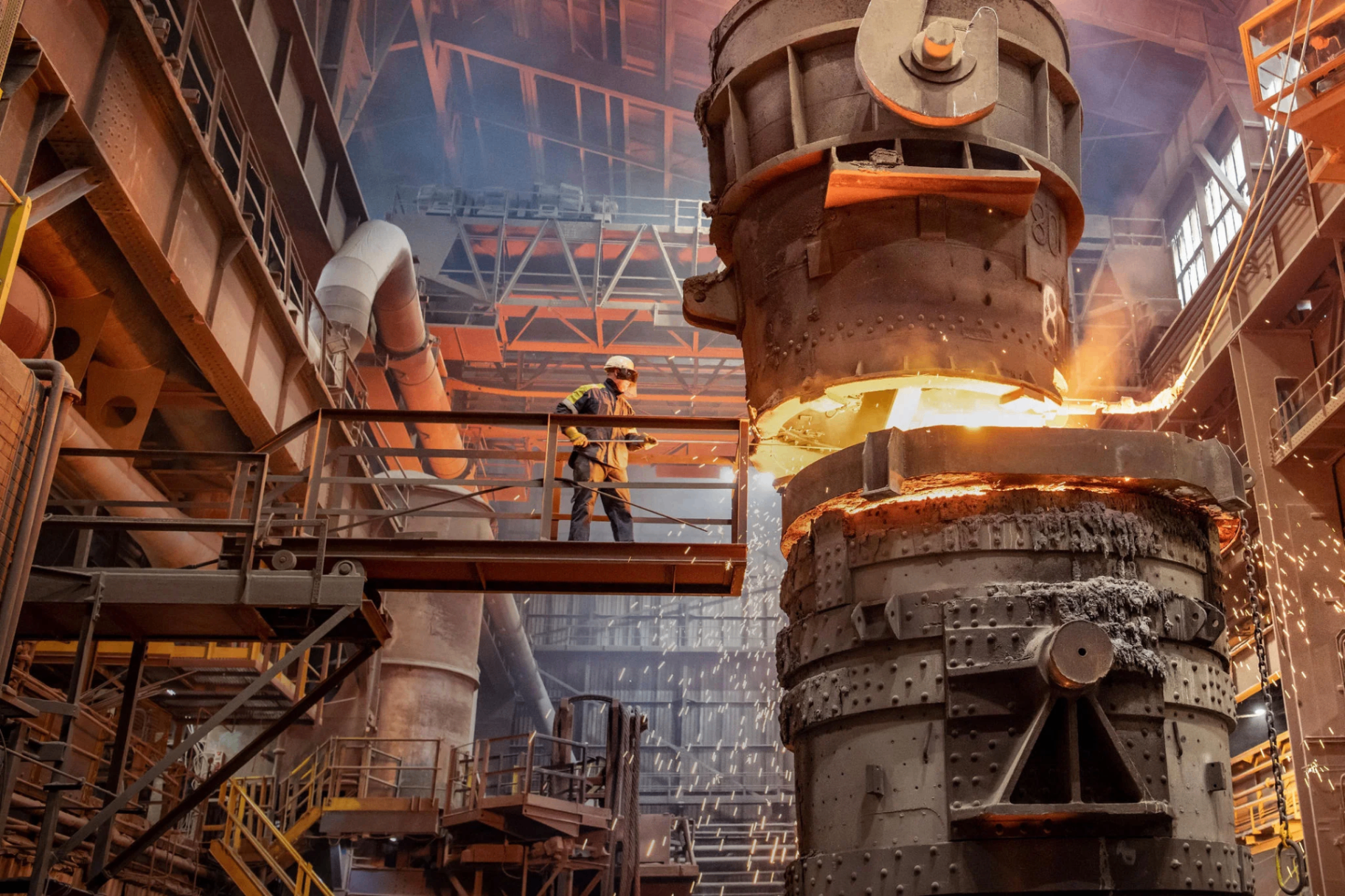
About the Construction Firm
The customer is a construction and engineering firm managing multiple active sites with distributed crews across mechanical, electrical, and civil operations. With teams operating across different locations, maintaining reliable after-hours support is essential to ensure equipment issues, maintenance requests, and urgent faults are addressed quickly.
In construction, problems rarely happen according to schedule. Equipment failures, safety concerns, and operational issues can occur at any hour, including nights, weekends, and public holidays. When a critical fault occurs outside normal working hours, the speed and accuracy of the response can directly impact project timelines, worker safety, and overall operational costs.
To maintain round-the-clock availability, the firm previously relied on dedicated overnight staff whose primary responsibility was receiving calls, gathering information, and manually passing requests to the appropriate teams.
While this ensured calls were answered, it created a costly and inefficient process where resources were spent on coordination rather than resolution.
The Challenge: Managing Complex After-Hours Operations Across Multiple Sites
1. High Labour Costs for Simple Coordination Tasks
Maintaining 24/7 support required the firm to schedule employees overnight, even though their primary responsibility was often limited to receiving fault calls and forwarding information to the relevant teams.
Overnight staff spent significant time answering calls, collecting issue details, identifying the right department, and coordinating follow-ups. Instead of having technical teams focus on resolving urgent site issues, valuable resources were tied up performing administrative dispatch work. For construction firms managing multiple sites, this created a difficult balance between maintaining reliable support coverage and controlling unnecessary staffing costs.
2. Site Managers Were Constantly Interrupted by Fault Requests
Construction site managers and supervisors are responsible for managing daily operations, safety requirements, contractors, and project progress. However, when issues occurred after hours, they often became responsible for handling fault reports and coordinating responses.
Instead of focusing on critical site activities, managers had to spend time:
- Answering incoming fault calls
- Gathering information about the issue
- Confirming site locations and affected assets
- Coordinating with different technical teams
- Following up on unresolved requests
These interruptions created additional workload for already stretched teams and reduced their ability to focus on higher-value operational tasks.
3. Different Sites Created Inconsistent Reporting Processes
With multiple construction sites operating simultaneously, fault reporting was often handled differently depending on the location, team, or individual reporting the issue. Some requests contained detailed information, while others lacked key details needed for quick resolution. Without a standardised intake process, teams often needed additional clarification before action could be taken. This made it harder to quickly determine:
- Where the issue occurred
- Which asset or equipment was affected
- The urgency level of the problem
- Which trade team should be assigned
The lack of consistency increased response times and created additional coordination between teams.
4. Incorrect Dispatch Delayed Resolution
Construction sites rely on specialised teams to handle different types of issues. Mechanical failures, electrical faults, and civil-related problems require different expertise and response teams. However, when fault information was collected manually, the accuracy of dispatch depended heavily on the person receiving the call. If the issue was incorrectly categorised or insufficient details were collected, the wrong trade could be assigned initially. This resulted in:
- Delayed response times
- Additional reassignment efforts
- Unnecessary site visits
- Longer periods of operational disruption
For time-sensitive construction issues, every additional step increased the risk of project delays.
5. Limited Visibility Created Follow-Up Gaps
Managing fault requests through phone calls and manual handovers made it difficult to maintain a complete record of every issue. Important information could be lost between shifts, including:
- What issue was reported
- Which team was assigned
- What actions had already been taken
- Whether the issue was fully resolved
Without a centralised system, teams had limited visibility into outstanding requests and relied heavily on manual communication to track progress.
The Solution: AI-Powered First-Line Support for Construction Operations
Routiq AI transformed the firm's after-hours support model by becoming the first point of contact for all incoming fault calls. Instead of relying on overnight staff to manually receive and distribute requests, Routiq AI manages the complete intake process from the initial call through structured work order creation. Routiq AI:
- Answers incoming calls instantly, 24/7
- Collects structured information about the site, asset, issue type, and urgency
- Categorises requests and identifies the required trade team
- Creates standardised tickets for follow-up
- Maintains a complete record of every request and resolution
By automating the first layer of communication and dispatch coordination, the firm can reduce overnight administrative workload and allow technical teams to focus on solving issues.
The Outcome: A More Efficient 24/7 Construction Support Model
By replacing manual call handling with AI-powered operations support, the construction firm improved response consistency while significantly reducing unnecessary overnight staffing requirements.
Key Results
- 80% reduction in overnight staffing requirements — Overnight headcount was reduced from 5 people to 1, allowing resources to focus on actual fault resolution rather than call coordination.
- 3,650 hours of automated overnight coverage annually — Provided continuous after-hours support without additional shift scheduling, overtime costs, or shift premiums.
- 50,000+ assets covered with rapid response — Every fault call is answered in under 30 seconds, ensuring issues are captured immediately and routed accurately.
Building Smarter Construction Operations with AI
For construction and engineering firms, after-hours support is not simply about answering calls — it is about ensuring the right issue reaches the right team as quickly as possible.
By replacing manual call coordination with AI-powered operational support, Routiq AI helps construction teams reduce administrative workload, improve dispatch accuracy, and maintain complete visibility across every site. With Routiq AI managing the first line of communication, construction teams can spend less time coordinating requests and more time delivering projects safely and efficiently.
In their words
Our site managers got their day back. Routiq AI handles intake; we handle building.